


What Are the Different Types of Screws?
Screws are one of the most widely used fasteners in the UK, relied on by DIYers at home and by trade and engineering professionals every day. With so many types of screws available, each made for a particular material, head or job, it’s easy to get confused. This guide runs through the main screw types, what sets each apart and what it’s best used for, so you can find the right screw for your project.
Different Types of Screws
| SCREW TYPE | IMAGE | DESCRIPTION | APPLICATIONS | COMMON FINISHES |
| Wood Screws | 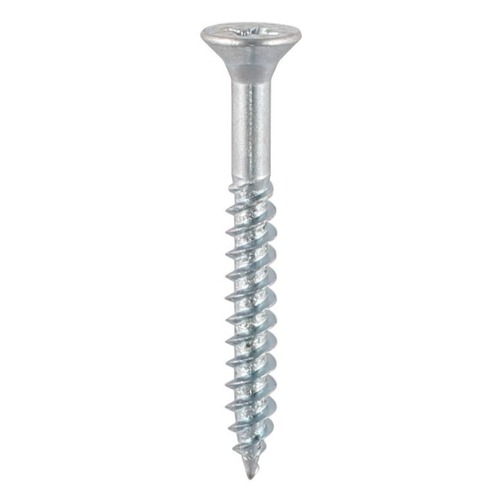 |
Coarse, tapered thread with a partially threaded shank. Twinthread wood screws are only partially threaded when they're above 1 1/4" in length. |
|
Bright Zinc Plated, Yellow Zinc, Stainless Steel |
| Chipboard Screws | 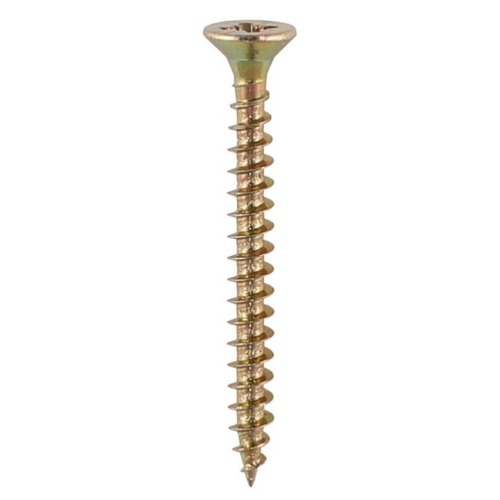 |
A specialist wood screw with a sharp point for a split-free bite. Fully threaded on screws up to 75mm long. |
|
Bright Zinc Plated, Yellow Zinc, Stainless Steel |
| Decking Screws | 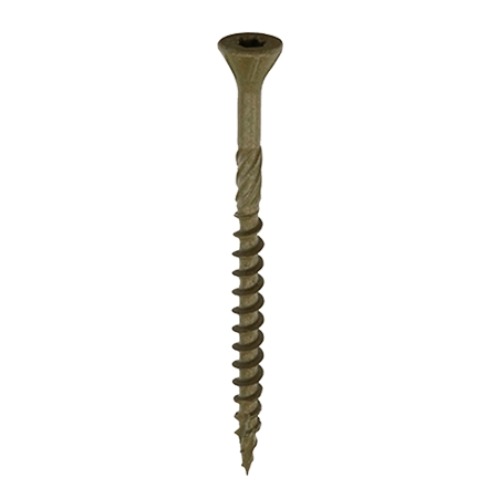 |
A countersunk headed screw with corrosion resistant organic green coating and a threaded shank. |
|
Organic Green |
| Drywall Screws | 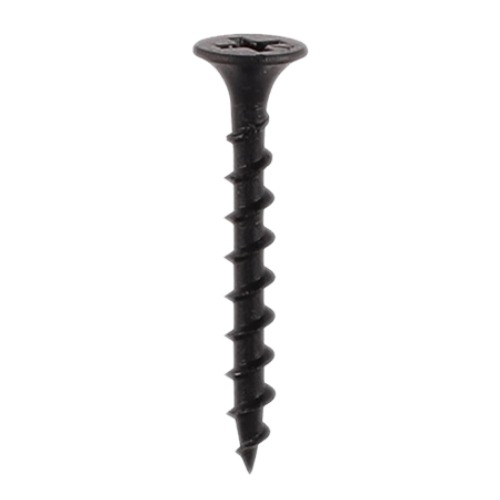 |
Bugle headed screws that feature a black phosphate finished that is designed to provide rust resistance from wet drywall compound. |
|
Black Phosphate |
| Carcass Screws | 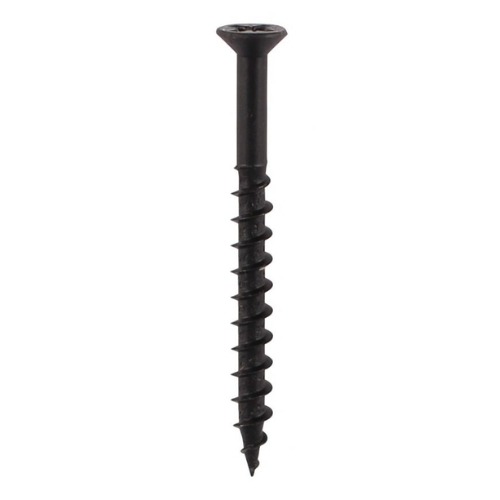 |
A niche type of wood screw that has a pozidrive head and sharp point, but is coated in a black phosphate finish. |
|
Black Phosphate |
| Coach Screws | 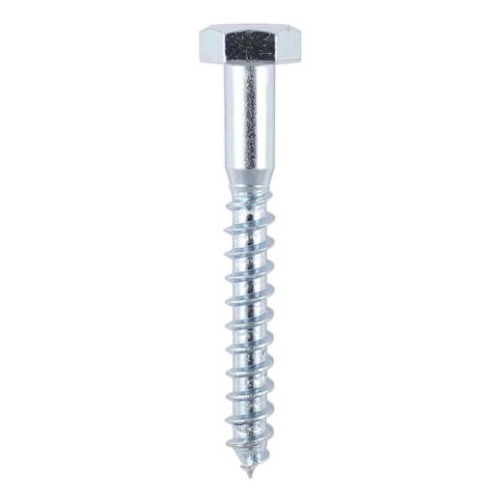 |
A heavy duty type of wood screw that features a hex head and a thicker thread. They're driven by a spanner or socket rather than a screwdriver. |
|
Bright Zinc Plated, Yellow Zinc, Stainless Steel |
| Concrete Screws | 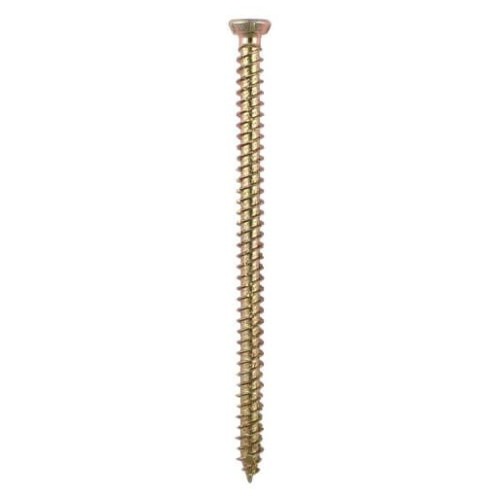 |
Hardened steel screws with a 7.5mm diameter for extra strength. |
|
Bright Zinc Plated, Yellow Zinc |
| Self Tapping Screws | 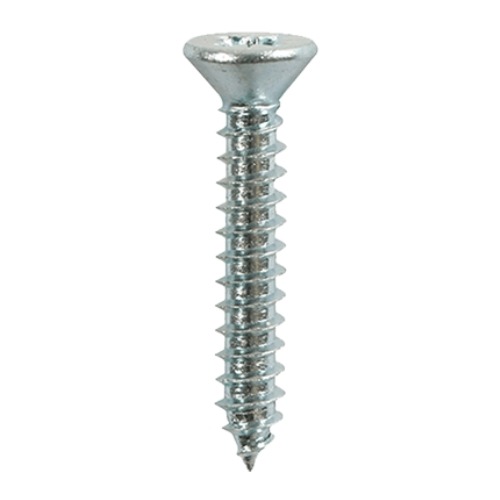 |
Screws with a sharp or blunt point that form their own thread as the screw is driven into position. |
|
Bright Zinc Plated, Stainless Steel, Black |
| Self Drilling Screws | 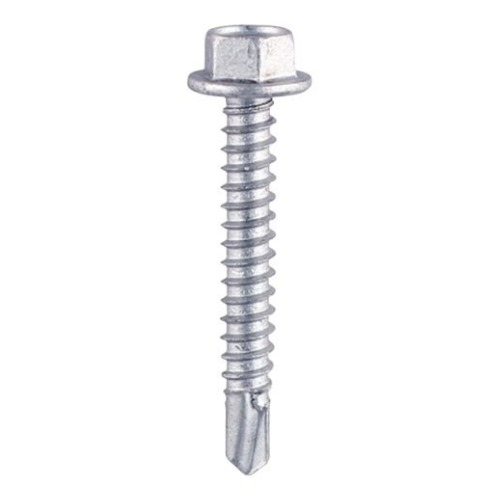 |
A self tapping screw with a drill point instead of a sharp point. |
|
Bright Zinc Plated |
| Mirror Screws | 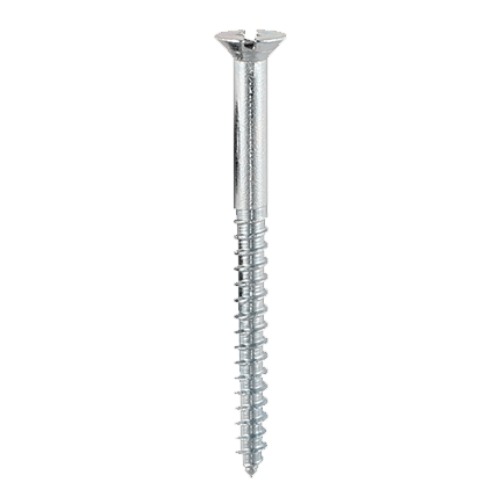 |
A type of wood screw that is specifically designed with a threaded head that accepts a decorative chrome cap. |
|
Chrome |
| Window Screws | 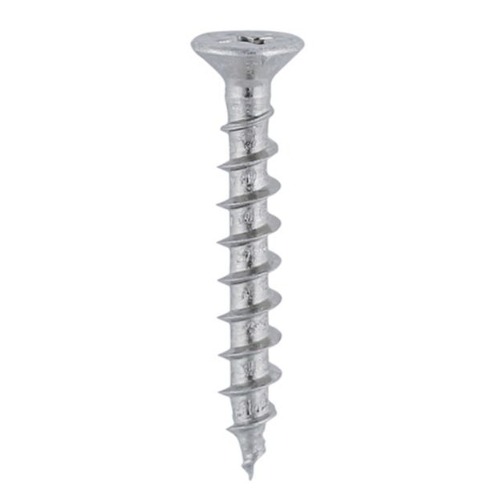 |
A countersunk head phillips screw with ribs on the head and a gimlet tip. |
|
Stainless Steel |
| Baypole Screws | 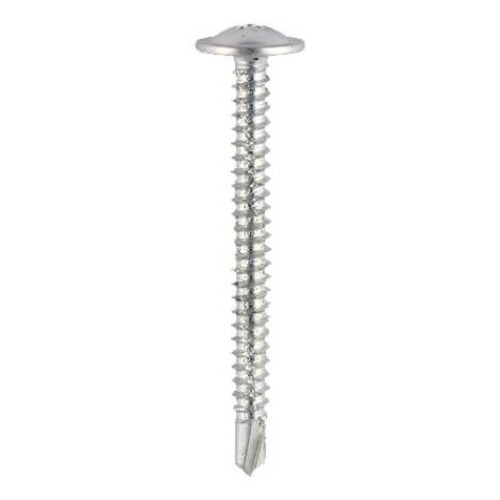 |
Long, 4.8mm diameter screws that feature a large phillips wafer head. |
|
Bright Zinc Plated |
| Screw Eyes | 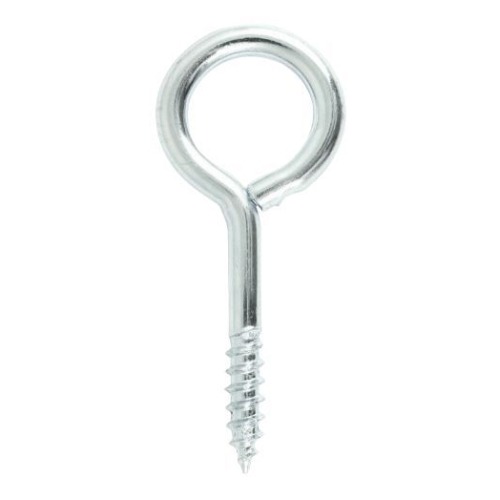 |
Small screws with a sharp point and a unique looped eye head. |
|
Bright Zinc Plated |
| Screw Hooks | 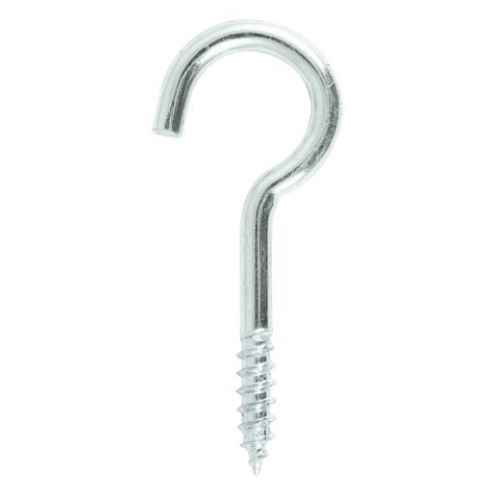 |
Small screws with a sharp point and a unique open hook head. |
|
Bright Zinc Plated |
| Thread Forming Screws | 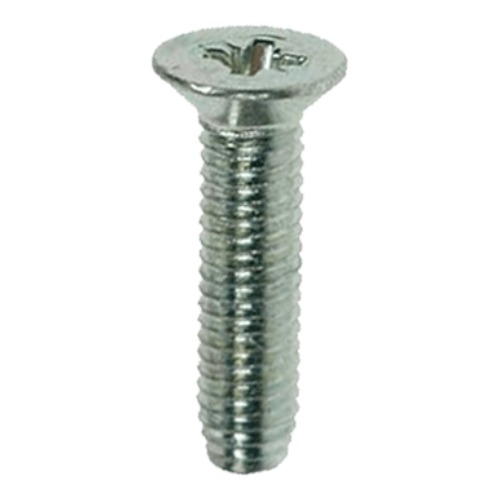 |
Thicker threaded screws that form their own thread during insertion, which eliminates the need for thread tapping. |
|
Bright Zinc Plated, Black |
| Machine Screws | 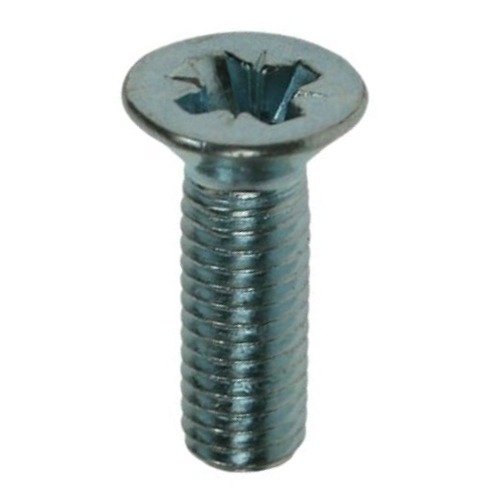 |
Heavy duty screws that have a fully uniform diameter thread and a flat tip. |
|
Bright Zinc Plated, Stainless Steel |
| Security Screws | 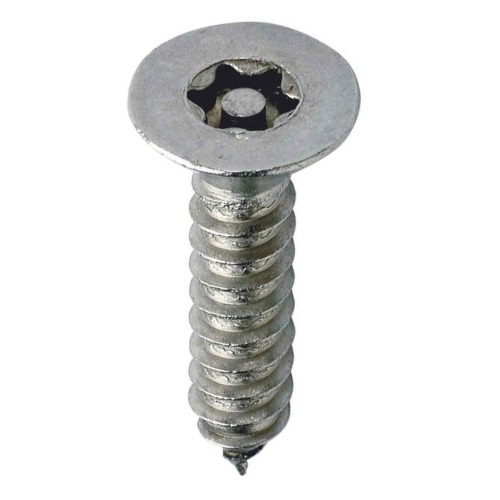 |
Specialist screws that are tamper resistant and cannot be removed with standard tool. |
|
Bright Zinc Plated, Stainless Steel |
| Socket Screws | 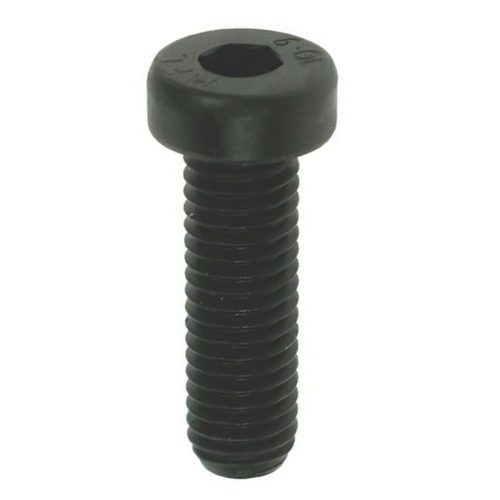 |
Screws that feature a hexagonal drive and require an allen key or hex drive bit to be fastened. |
|
Bright Zinc Plated, Stainless Steel, Self Colour |
| Grub Screws | 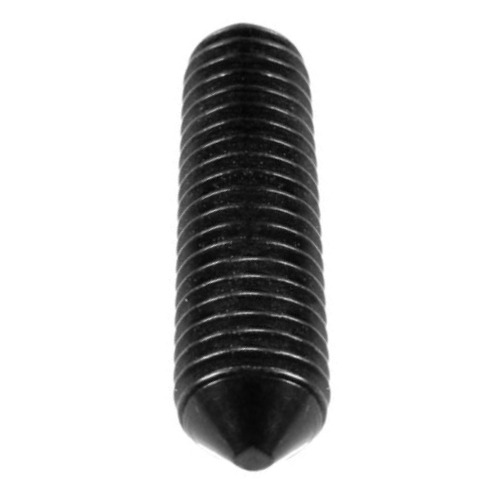 |
A headless type of socket screw with a variety of point types available. |
|
Bright Zinc Plated, Stainless Steel, Self Colour |
How to Choose the Right Screw
Start with what material you’re fixing into. Timber calls for woodscrews, chipboard or decking screws; metal points you to self-drilling or self-tapping screws; masonry needs concrete screws; and plasterboard wants drywall screws.
Next, think about the head and drive: countersunk heads finish flush, hex and socket drives take more torque, and tamper-resistant drives suit security jobs.
Last, match the finish to the environment, stainless or a coated finish outside, plain zinc-plated steel indoors. If you get those three things right, the fixing will hold and last.
Why the Finish and Material of a Screw is Important
The material and finish decide how a screw copes with its surroundings.
- Stainless steel is the choice for outdoor, wet or coastal work thanks to its natural rust and corrosion resistance; the two grades you’ll see most are A2 and A4, explained in our guide to the difference between A2 and A4 stainless steel.
- Carbon steel is strong, easy to machine and recyclable, and is usually given a protective coating.
- Bright zinc plating is the most common of those coatings, laying down a sacrificial layer that corrodes before the steel underneath, which suits general and internal fixing.
- Brass and chrome finishes add corrosion resistance too, but are often chosen for how they look.
